The redeye to Singapore. The weekend in Aspen. The quarterly board meeting in London. For high-performing executives, global travel is both a necessity and a privilege, but it comes with a cost that compounds quietly over time. Without a deliberate recovery protocol, even first-class travel erodes performance, accelerates biological aging, and undermines the very advantages that make you effective.
The Hidden Costs of Travel on Performance
Travel disrupts the physiology that sustains elite output. Jet lag shifts circadian rhythm, suppressing melatonin production and altering cortisol release patterns in ways that can degrade decision-making, reaction speed, and mood regulation for 3-5 days post-arrival. Cabin pressure equivalent to 6,000-8,000 feet altitude, combined with 10-20% humidity levels, stresses cardiovascular function and increases systemic inflammation markers like C-reactive protein.
Sleep fragmentation, even in lie-flat suites, prevents adequate time in slow-wave and REM sleep stages, which are required for memory consolidation, cellular repair, and metabolic recovery. Heart rate variability, a key indicator of autonomic nervous system balance, typically drops 20-30% during and immediately after long-haul flights.
Muscle protein synthesis rates decline during extended sitting periods and suboptimal nutrient timing. Over months of frequent travel, this manifests as measurable losses in lean mass and bone mineral density. Chronic travel stress without proper recovery protocols may accelerate markers associated with biological aging, including telomere attrition, elevated oxidative stress markers, and altered immune cell populations.
The wealthiest individuals understand that time is finite, but health is the ultimate leverage. Poor travel recovery doesn't just affect one trip. It compounds across years, quietly eroding longevity, vitality, and the capacity to sustain peak performance in the decades that matter most.
High-End Recovery Strategies Cuesz Recommends
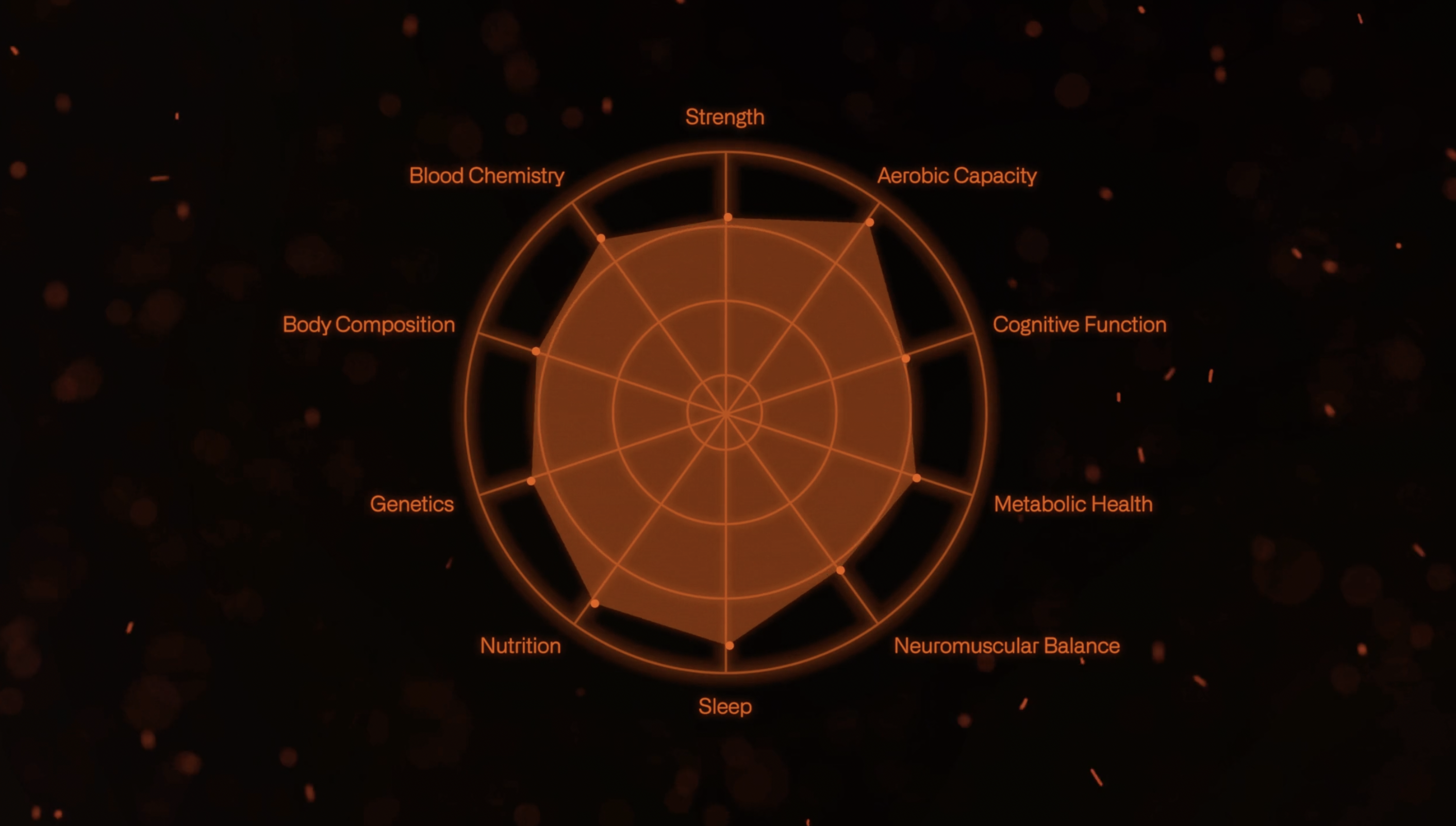
Elite travel recovery protocols are built from individual biomarker data, not generic recommendations. Our clinicians and performance coaches develop strategies based on comprehensive lab work, body composition analysis, and continuous monitoring.
Hydration and nutrient timing begin 24-48 hours before departure. Electrolyte balance matters more than water volume; we track sodium, potassium, and magnesium ratios through blood work and adjust supplementation accordingly. For example, a member traveling from New York to Tokyo receives specific timing for branch-chain amino acids to minimize muscle catabolism during the 14-hour flight and fasting window. Post-arrival meal composition is calibrated to support rapid circadian adaptation based on the direction and magnitude of time zone shift.
Mobility protocols are programmed for aircraft cabins and hotel rooms. These aren't generic stretching routines—they're 5-8 minute sequences addressing individual movement restrictions identified through functional assessment. A 52-year-old executive with limited thoracic rotation receives different drills than a 38-year-old founder managing hip flexor tightness. The goal is preserving joint function and neuromuscular patterns that directly impact posture, gait, and physical comfort during multi-day trips.
Sleep optimization starts with light exposure manipulation. Members receive specific instructions: 30 minutes of bright light exposure (ideally natural sunlight at 10,000+ lux) within one hour of target wake time at the destination. Evening blue-light blocking (using 550nm cutoff glasses) begins 2-3 hours before intended sleep. Room temperature is set to 65-68°F based on individual sleep study data when available. Supplementation protocols—magnesium threonate or glycinate, L-theanine, phosphatidylserine—are prescribed only after reviewing liver function, kidney markers, and medication interactions.
Stress and hormone management requires active intervention. Our coaches work with members' physicians to monitor cortisol awakening response and free testosterone when travel frequency exceeds twice monthly. Breathwork protocols (4-6-8 box breathing or physiological sighs) are taught for in-flight use. Cold exposure strategies, when hotel facilities permit, help restore autonomic balance through measured sympathetic activation.
For members who maintain golf performance, mobility, and swing stability, drills preserve rotational power and hip-shoulder separation during travel blocks. These aren't gym workouts—they're precise interventions that prevent compensatory patterns from developing.